I’m thrilled to kick off a new series CES 2025 AI Trends: a personal deep dive into the global tech circuit. Having spent the last few years navigating these halls, I’ll be sharing my firsthand insights into the trends and tech currently reshaping the AI landscape. To get things started, I’m sharing my personal highlights and takeaways from the ground in Las Vegas.
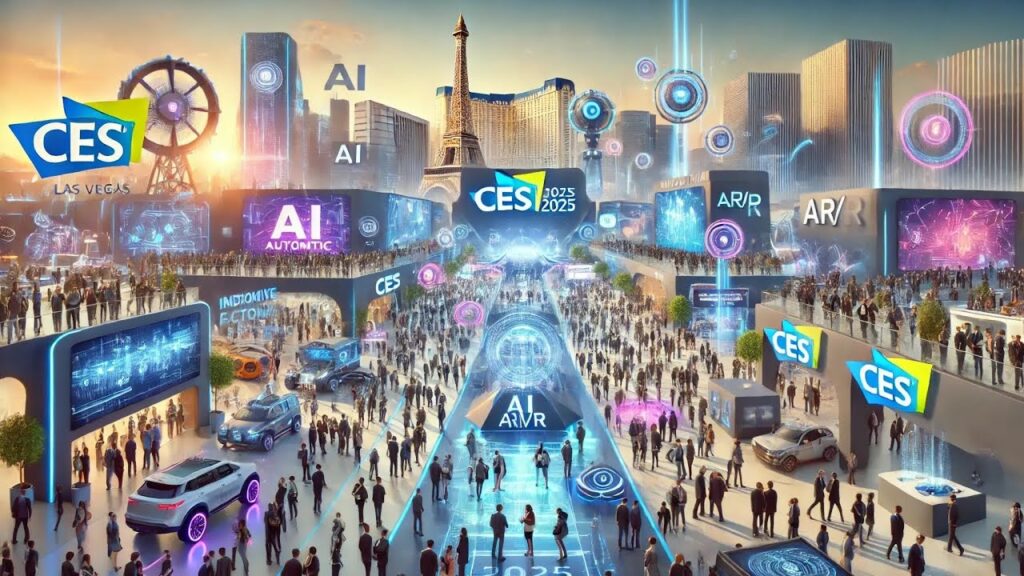
On the Ground at CES 2025
Walking through the International Consumer Electronics Show (CES) this year, it was clear that the event remains the undisputed North Star for the industry. Organized by the CTA, it’s where I go to see the theoretical become tangible.
As I moved between the 12 different venues, the sheer scale was palpable—over 230,000 square meters of innovation. This year felt noticeably more crowded than my last visit; you could really feel the energy of those extra 10,000 attendees. While the themes spanned everything from quantum computing to the energy transition, I spent most of my time focusing on where these tracks intersected with Artificial Intelligence.
The 2025 Experience by the Numbers:
- Joining 141,000 fellow enthusiasts and industry leaders.
- Navigating booths from 4,500 exhibiting companies.
- Rubbing shoulders with 6,000 global media representatives.
- Seeing heavy-hitters from 60% of the Fortune 500 in action.
What struck me most was how generative algorithms have moved from the “experimental” phase I saw last year into almost every gadget in sight—from the laptops and smartphones I tested to the latest TWS earbuds. There was also a much more somber and urgent focus on climate change adaptation compared to the general “smart home” buzz of 2024.
The Innovations That Caught My Eye
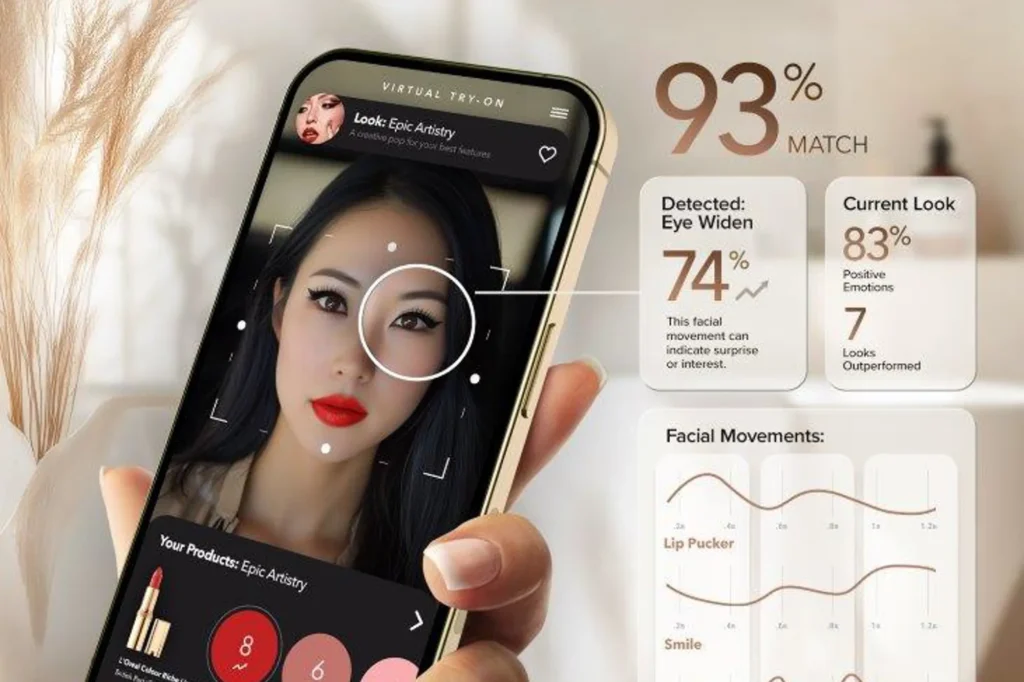
- Artificial Intelligence as Infrastructure: What I observed this year wasn’t just “AI for the sake of AI.” It has become foundational. I spent some time at the L’Oreal booth testing the Mood Mirror, and it’s a brilliant example of how AI is becoming a personalized service. Similarly, seeing Triplet’s DeepLounge AD in action showed me how hyper-targeted advertising is evolving from a nuisance into a high-tech utility. AI is no longer a bolt-on feature; it’s the engine.
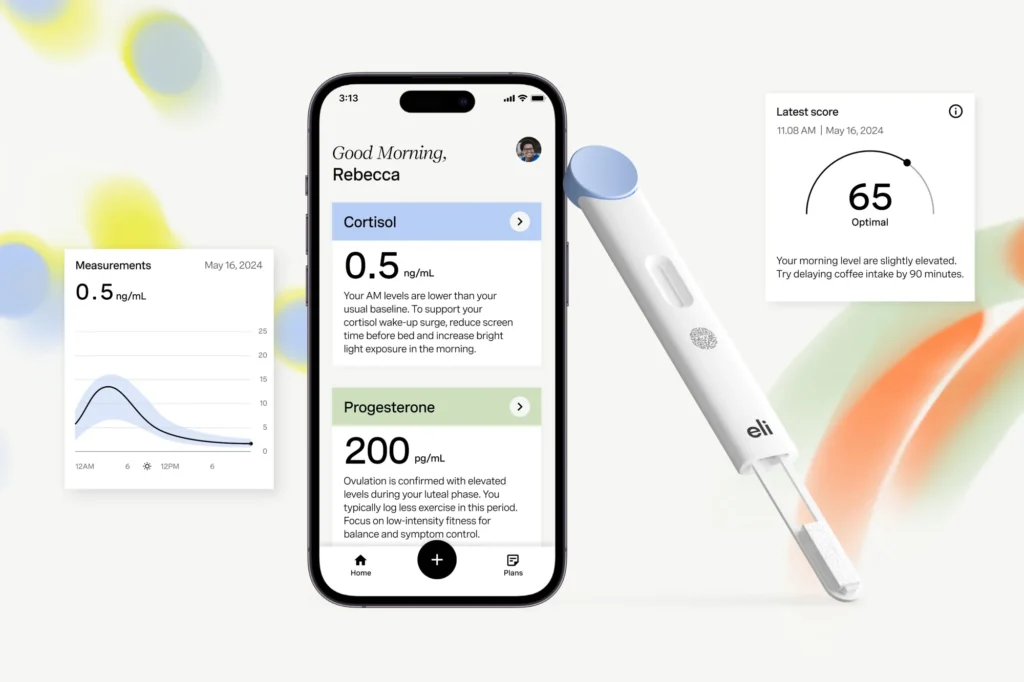
- A New Era of Digital Health: The health tech section felt less like a clinic and more like a lifestyle hub. I was particularly impressed by Eli Science’s Hormometer. The idea of tracking salivary hormones via AI to provide real-time wellness data is a game-changer for personalized medicine.
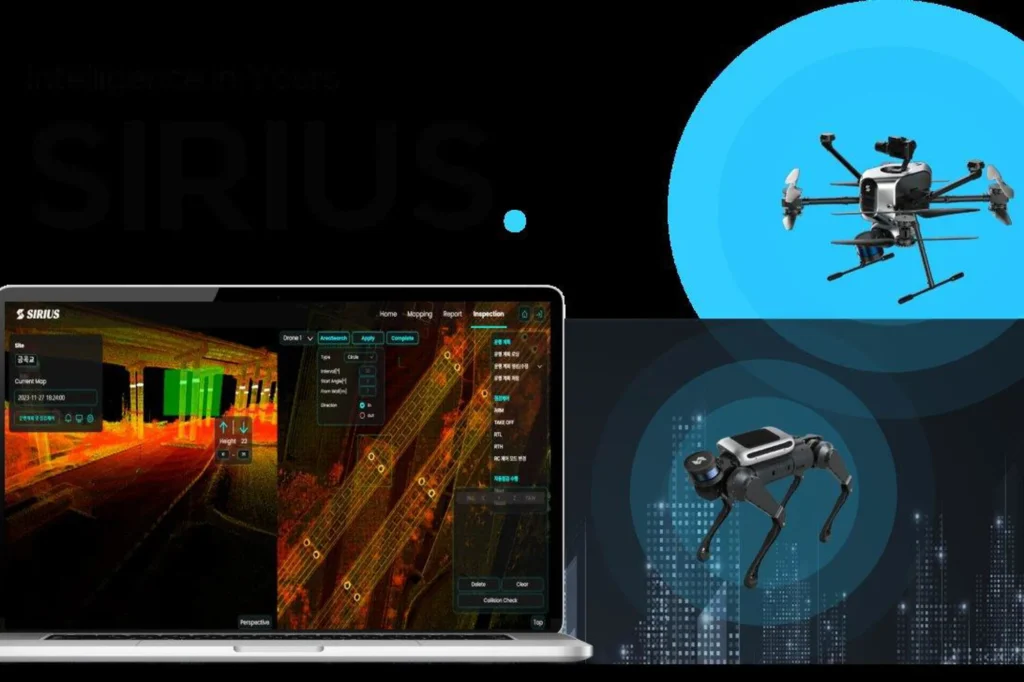
- Mobility Reimagined: I saw autonomy moving far beyond just passenger cars. The floor was packed with autonomous planes, boats, and even heavy machinery. One highlight for me was Sierra BASE’s SIRIUS system—watching a fully autonomous robot generate high-fidelity 3D spatial maps in real-time was a glimpse into the future of construction.
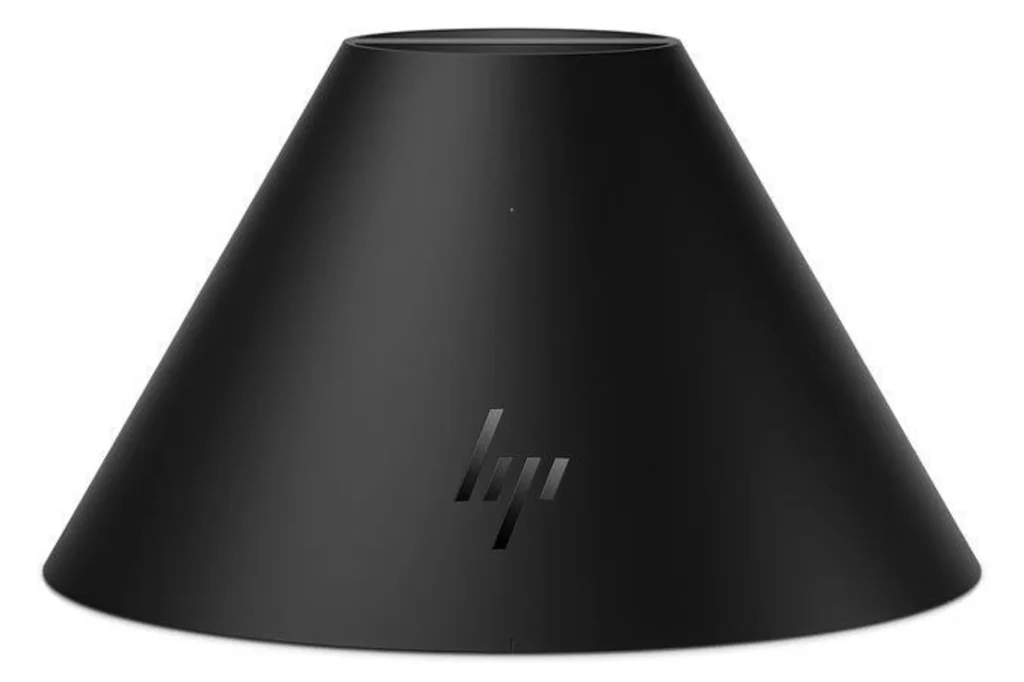
- Tangible Sustainability: It was refreshing to see sustainability move beyond marketing jargon into actual materials. I got a close look at HP’s Z Captis, which is a sleek, portable system for digital material capture—essential for the eco-conscious design workflows of tomorrow. It uses a type of 3D imaging, called photometry, to capture virtually any material and render it digitally. Powered by an embedded NVIDIA Jetson AGX Xavier system-on-module and HP’s Capture Management SDK, 3D creators can sample and remix reality through direct integration with Adobe Substance 3D Sampler, revolutionizing material digitization across industries including architecture, automotive, entertainment, fashion, and gaming.
- The Energy of Eureka Park: I spent a good portion of my afternoon in Eureka Park, weaving through the 1,400 startups. There’s an undeniable grit there; seeing founders from 39 different countries pitching the next generation of electric mobility and green tech is always the most inspiring part of my trip.
This is just my initial overview of the atmosphere and the broad strokes of the event. In my next post, I’ll be drilling down into the specific AI solutions that I believe will truly move the needle this year. Stay tuned!
See also:
While the conceptual shift toward ubiquitous AI is clear, the real engine of this revolution lies in the silicon. For a technical breakdown of the new Blackwell architectures and NPU leaps, see my[Deep Dive into the AI Vanguard.